Our Experience Helps You Get Better Faster
Request My Appointment Now
Donna L
Sarosh K
Nancy B
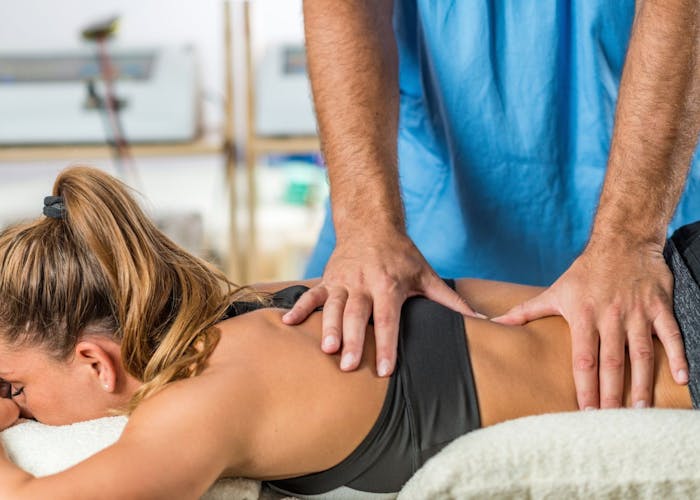
There’s a reason massage therapy has been used for thousands of years across virtually every culture—it works. At Midas Physiotherapy in Oakville, our Registered Massage Therapists (RMTs) provide skilled, therapeutic massage as part of comprehensive healthcare, helping you recover from injury, manage chronic pain, reduce stress, and maintain optimal physical function.
Massage therapy is far more than relaxation—though relaxation is certainly one of its benefits. Our RMTs are regulated healthcare professionals trained to assess and treat soft tissue and joint dysfunction. Whether you’re dealing with a sports injury, recovering from surgery, managing chronic tension, or simply maintaining your body through the demands of daily life, therapeutic massage can help.
What sets our clinic apart is integration. Our massage therapists work alongside our physiotherapists, chiropractors, and athletic therapists, communicating directly about your care. When massage therapy is combined with active rehabilitation, the results are greater than either approach alone. Your massage therapist isn’t working in isolation—they’re part of a team focused on getting you better.
For Oakville residents seeking professional massage therapy, our Cornwall Road clinic offers flexible scheduling, direct insurance billing, and the clinical expertise to address everything from acute injuries to chronic conditions. Most extended health insurance plans cover Registered Massage Therapy. No physician referral is required to see an RMT in Ontario—you can book directly.
Every treatment begins with understanding your condition. Your RMT will take a thorough history, assess your tissues and movement, and develop a treatment plan tailored to your specific needs. This isn't cookie-cutter massage—it's clinical reasoning applied to manual therapy.
As part of a multidisciplinary clinic, our massage therapists communicate directly with our physiotherapists, chiropractors, and athletic therapists. If you're receiving multiple services, your providers coordinate your care. This integration means massage therapy can be strategically combined with other treatments—for example, massage to release tight muscles before physiotherapy exercises, or massage to manage soreness after an intense rehabilitation session.
We track your progress and adjust treatment accordingly. If something isn't working, we change our approach. If you're improving, we progress your care appropriately. The goal isn't endless treatment—it's helping you feel better and function better as efficiently as possible.
Your RMT will provide guidance on stretches, exercises, self-massage techniques, and lifestyle modifications that can extend the benefits of treatment. We want to empower you to manage your condition, not create dependency on treatment.
Your initial chiropractic appointment typically takes 45–60 minutes and includes:
We'll discuss your current complaint—when it started, what makes it better or worse, how it affects your daily life. We'll also review your medical history, including past injuries, surgeries, medications, and any health conditions that might affect your treatment.
A thorough examination to assess your condition, which may include:
Based on your history and examination, we'll explain what's causing your symptoms and recommend a treatment approach. We'll discuss expected outcomes, how many treatments might be needed, and what you can do to help your recovery. Informed consent is obtained before any treatment.
If appropriate, treatment often begins on the first visit. This may include manipulation, mobilization, soft tissue work, and/or exercises depending on your presentation.
Follow-up appointments are typically 15–30 minutes. We'll check on your progress, assess how you're responding to treatment, and adjust our approach as needed. Each visit typically includes hands-on treatment, exercise progression, and self-care guidance.
How often you need treatment depends on your condition:
Our goal is to get you better as efficiently as possible. We reassess regularly and discharge you from active care when you've reached your goals. We don't promote unnecessary long-term treatment plans.

Most patients see results during their first visit with us.
No. In Ontario, Registered Massage Therapists are primary healthcare providers, meaning you can book directly without a referral. Most insurance plans also don't require a referral for coverage, though some do—check your specific plan if you're unsure.
Wear whatever is comfortable for you to arrive in. You'll undress to your comfort level for treatment—some people prefer to keep underwear on, others prefer to be fully undraped under the sheets. Either is fine. You'll always be professionally draped, with only the area being treated exposed. For specific treatments like pregnancy massage or if you prefer, you can remain partially clothed.
This depends on your condition and goals. For acute injuries or pain, you might start with 1–2 treatments per week. For chronic conditions, weekly or bi-weekly sessions may be helpful until symptoms improve. For general maintenance and wellness, monthly massage is common. Your RMT will recommend a treatment frequency based on your assessment and response to treatment.
Therapeutic massage should not be painful, though some techniques may cause temporary discomfort—particularly when working on areas of chronic tension or trigger points. This should feel like "good pain" that's providing relief, not harmful pain. Always communicate with your therapist about pressure. Effective treatment doesn't require painful pressure—skill matters more than force.
Mild soreness after deep tissue work or treatment of very tight muscles is normal and typically resolves within 24–48 hours—similar to soreness after exercise. Drinking water, gentle movement, and heat can help. If soreness is severe or lasts longer, let your therapist know so they can adjust future treatments.
Yes! Prenatal massage is safe and can be very beneficial for managing pregnancy-related discomforts. Our therapists are trained in appropriate positioning (typically side-lying with pillows for support) and technique modifications for pregnancy. Some therapists prefer to wait until after the first trimester, though massage is generally safe throughout pregnancy. Let us know when booking that you're pregnant so we can schedule with an appropriate therapist.
Both are regulated health professions, but they have different focuses. Physiotherapy emphasizes assessment, diagnosis, exercise prescription, and restoring movement function. Massage therapy focuses on soft tissue treatment through hands-on manual techniques. There's overlap—physiotherapists often use manual therapy, and RMTs assess and treat musculoskeletal conditions. Many conditions benefit from both, which is why we offer integrated care.

It's best not to eat a heavy meal immediately before massage—lying on a full stomach can be uncomfortable. A light snack is fine. Similarly, avoid arriving on a completely empty stomach, as massage can sometimes lower blood sugar. Being well-hydrated before your appointment is helpful.
Yes. Research shows massage therapy reduces cortisol (stress hormone) levels and increases serotonin and dopamine (feel-good neurotransmitters). The parasympathetic nervous system activation during massage promotes relaxation and counters the stress response. Many people find regular massage helpful for managing stress, anxiety, and related issues like tension headaches and sleep difficulties.
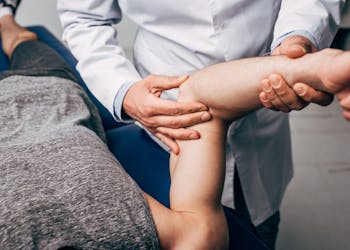
If you're uncomfortable with touch, discuss this with your therapist. Treatment can be modified—working through clothing, focusing on less sensitive areas first, keeping sessions shorter initially, or using techniques that feel less invasive. Your comfort is paramount, and good therapists will work within your boundaries while still providing effective treatment. Many people who initially feel uncomfortable become more at ease over time.
Completely up to you! Some people prefer quiet relaxation, others like to chat, and many fall somewhere in between. Your therapist will follow your lead. The only time you should definitely speak up is if pressure is uncomfortable, if you have questions, or if something doesn't feel right.
At our clinic, massage therapy is integrated with physiotherapy, chiropractic, and athletic therapy services. Your providers communicate about your care and coordinate treatment. Massage can prepare tissues for other treatments (e.g., releasing tight muscles before physiotherapy exercises) or help manage after-effects (e.g., soreness after an intense rehab session). If you're receiving multiple services, we'll coordinate scheduling and treatment approaches.


If you don’t see your plan listed, please give us a call.
Click on a phase number to learn more.
Reducing pain, swelling, and inflammation are common goals in this phase of recovery. Injury protection, elevation, appropriate medications, compression, and patient education are important.
Pain-free passive, manual therapy, active range of motion, and cardiorespiratory exercises, are indicated here. Education about pain and a positive attitude may help.
Progressive loading of healing soft tissues, the reintroduction of low-stress neuromuscular reeducation, balance training, and basic functional activities are part of this rehabilitation phase.
Progressing strengthening exercises, improving flexibility, and advanced balance exercises are part of phase 4. Resuming functional movement (e.g. sports movements) occurs in this phase.
Functional movements are progressed, a controlled re-introduction to sports or challenging environments is initiated. Continued strengthening, flexibility, balance, endurance, and goal-specific training occurs during this phase. Education and future injury prevention are discussed.